Bexley Council waste rules and their impact on Slade Green moves
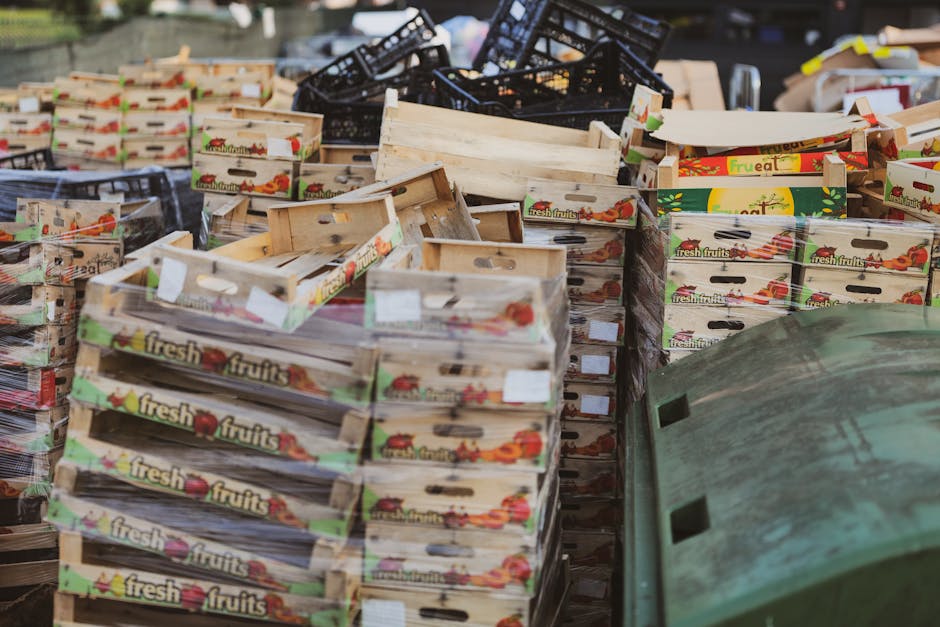
Moving home in Slade Green sounds straightforward until waste starts getting in the way. A broken wardrobe, a stack of old boxes, a mattress you meant to replace last winter, or a shed-load of mixed rubbish can quickly turn a smooth move into a messy one. That is where Bexley Council waste rules and their impact on Slade Green moves really matter. If you are planning a move, clearing a property, or trying to make a place look presentable before handover, knowing the basics can save you time, stress, and a few awkward surprises.
In practical terms, waste rules shape what you can leave out, what needs separating, what should be reused or recycled, and what has to be booked away in advance. They also influence how removal day runs on the ground. One overlooked bag of junk can hold up loading. One missed collection can leave you scrambling for storage. Let's face it, moving already has enough moving parts.
This guide breaks down what the rules mean for Slade Green moves, how they affect planning, and the best way to handle bulky items, recycling, and last-minute clear-outs without creating unnecessary friction. We will keep it plain-English and local, with a focus on real move-day decisions rather than theory.
Table of contents
- Why Bexley Council waste rules and their impact on Slade Green moves Matters
- How Bexley Council waste rules and their impact on Slade Green moves Works
- Key Benefits and Practical Advantages
- Who This Is For and When It Makes Sense
- Step-by-Step Guidance
- Expert Tips for Better Results
- Common Mistakes to Avoid
- Tools, Resources and Recommendations
- Law, Compliance, Standards, or Best Practice
- Options, Methods, or Comparison Table
- Case Study or Real-World Example
- Practical Checklist
- Conclusion
- Frequently Asked Questions
Why Bexley Council waste rules and their impact on Slade Green moves Matters
Waste rules matter because a move is not just about transporting possessions from A to B. It is also about reducing what you carry, disposing of what you no longer need, and making sure anything thrown away is handled properly. In Slade Green, that can mean the difference between a clean handover and a frantic last-minute sort through bags on the pavement. Nobody wants that scene at 7:30 on a weekday morning, with a kettle still unplugged and a hallway full of old brackets, boxes, and "we might need that later" items.
For local movers, the most immediate impact is planning. If you leave waste decisions too late, you may end up with items that do not fit neatly into the van, things that cannot be dropped off casually, or materials that need to be separated before collection. That affects timing, labour, and cost. It can also affect access: cluttered paths, overloaded rooms, and unbagged rubbish make loading slower and riskier.
There is also a trust angle here. A well-managed move feels calmer because each category of item has a place. Reusable furniture goes one way, recyclable packaging another, and genuine waste gets dealt with properly. That sounds simple, but in real homes it is usually a mix of awkward bits and odd-shaped leftovers. The smoother the waste plan, the less pressure on the moving crew and the less chance of missed items getting abandoned at the last minute.
If you are still in the sorting phase, our guide to decluttering before moving day is a useful companion. It helps you reduce volume before you even think about lifting, and that alone can change the whole shape of the job.
How Bexley Council waste rules and their impact on Slade Green moves Works
The practical side is fairly straightforward. Local waste rules usually influence three things: what can be disposed of, how it should be presented, and when it should be taken away. For a moving household, that translates into decisions about bulky items, mixed waste, recycling, and any materials that need special care.
In a typical Slade Green move, you will run into some combination of:
- general household waste left over after packing
- cardboard and packaging from new purchases
- old furniture you are replacing
- broken items that cannot simply be left with the rest of the rubbish
- bulky items that need arranging in advance rather than being left out casually
What matters is not just what the council allows in principle, but how your move-day timetable fits around collection windows, access rules, and the reality of loading a van. If you have a pile of dismantled furniture, for example, you may need to decide whether to keep it whole for removal, separate it for recycling, or dispose of parts through the relevant household route. The best choice depends on condition, size, and urgency.
It also helps to think in categories. Reuse, recycle, donate, remove, discard. That sequence is surprisingly useful. Once you sort items into those buckets, you stop treating every object as an individual problem. The process becomes more manageable, and you can brief the removals team clearly. That is exactly the kind of clarity that makes a day feel easier than it looks on paper.
For heavier household pieces, you may want to read packing methods that make moving easier and safe solo lifting strategies for heavy objects. They are practical, not fancy, and they help with the physical side of dealing with waste-adjacent items.
Key Benefits and Practical Advantages
When waste is handled properly before and during a move, you get several benefits that are easy to underestimate until you have lived through a messy move yourself.
- Less volume to move: fewer bags and items means fewer trips, quicker loading, and a more efficient van layout.
- Lower risk of delays: if waste is already sorted, nobody is stopping mid-job to decide whether a chair is going, staying, or being dumped.
- Cleaner handover: this matters especially in rented homes and flats, where leaving debris behind can create headaches at checkout.
- Better recycling outcomes: reusable and recyclable materials are easier to separate when you plan ahead.
- Safer working environment: clear floors and corridors reduce trip hazards and make lifting easier.
There is another benefit that people often miss: waste discipline improves judgement. Once you start sorting properly, you often discover you do not need to move half the things you thought you did. A cracked garden chair, three empty storage crates, duplicate kitchen gadgets... you know the sort. A bit of honest sorting can cut the job down, sometimes dramatically.
If you are trying to keep costs sensible, this matters too. A more streamlined move can support better vehicle use, shorter labour time, and fewer awkward add-ons. If you want to understand how pricing can shift depending on scope and timing, have a look at how fixed and hourly man with van quotes compare. It is a useful lens when you are deciding what to clear, what to move, and what to leave behind.
Who This Is For and When It Makes Sense
This topic is relevant to almost anyone moving in or out of Slade Green, but a few groups feel the impact more sharply than others.
- Tenants moving out of flats or houses: waste and clear-room standards matter at check-out, especially when leaving small spaces in decent condition.
- Homeowners decluttering before sale: removing waste and surplus items can improve presentation and reduce stress on moving day.
- Families doing a full house reset: bigger homes tend to accumulate more mixed waste, from old toys to broken storage furniture.
- Students or short-term renters: quick moves often create last-minute disposal problems, especially when time is tight.
- Businesses and home offices: office waste, packing materials, and old furniture can become a separate planning job altogether.
It makes sense any time you are reducing belongings before a move. It also makes sense if you are combining a move with partial clearance, which happens more often than people think. Maybe the sofa stays, but the old mattress does not. Maybe the desk is going, but the filing cabinet has to be recycled. The point is to avoid lumping everything together and hoping for the best. That rarely ends well.
For local flat moves, it is especially useful to plan waste handling alongside access and stairwell logistics. Our article on moving through Slade Green station flats is helpful if you are dealing with narrow spaces, shared entrances, or awkward carrying routes.
Step-by-Step Guidance
Here is a practical sequence you can use before move day. It works best if you start early, but it still helps even if you are close to the wire.
- Walk the property room by room. Make a quick list of waste, donations, repairable items, and anything to keep.
- Separate bulky pieces from bagged rubbish. Old furniture, broken shelving, and large appliances should never be left as an afterthought.
- Flatten packaging where possible. Cardboard takes up more room than people expect. It is one of those annoyingly invisible problems.
- Decide what needs professional removal. If it is heavy, awkward, or fragile, factor it into the move rather than pretending it will sort itself out.
- Check access and timing. Think about where items will be staged and how long they can safely remain there.
- Keep recyclable and non-recyclable waste apart. Mixed bags make the job harder and often slower.
- Confirm what is staying behind. This is crucial for rented homes, shared houses, and office clear-outs.
A simple rule helps here: if an item will slow the move down, decide its fate before the van arrives. That includes broken wardrobes, chipped tables, surplus bed frames, and random "storage" items that somehow became permanent. We all have them. No judgment.
If you are preparing belongings for a temporary gap between properties, or you need to protect furniture during a longer transition, these sofa storage tips are a practical read. And if your move includes delicate household pieces such as mattresses, the guide to moving a bed and mattress safely is well worth a look.
Expert Tips for Better Results
A few small decisions can make the whole process cleaner and calmer.
- Start waste sorting before box packing. That sounds obvious, but many people pack first and sort later, which is backwards and messy.
- Use visible labels. Mark bags and boxes clearly so waste does not get mixed back in with what you are keeping.
- Stage waste near the exit, not in the middle of the home. That keeps pathways open and saves repeated handling.
- Bundle similar items together. Cardboard with cardboard, small metal bits together, soft waste together. Simple, but effective.
- Keep one final "decision box". This is for items you are still unsure about. If it is still untouched by move day, the answer is probably clear.
- Leave enough time for bulky furniture. Wardrobes and beds are never as simple as they look at 4 p.m. when everyone is tired.
One tiny but important tip: do not leave waste sorting until after the keys are due back. That is when people panic, rush, and make strange decisions. Better to deal with the awkward stuff a day or two before. You will thank yourself later, probably while sitting on a folding chair with a tea in hand.
If you need help deciding whether a job suits a van-only solution, a fuller house removal, or a mixed clearance approach, the page on services overview gives a useful picture of how different move types can be handled.
Common Mistakes to Avoid
The biggest mistakes are usually not dramatic. They are small, ordinary oversights that become expensive in a move-day context.
- Leaving waste sorting to the end. This creates panic and often means items get abandoned or shoved into the wrong pile.
- Assuming bulky items can just be left anywhere. Large pieces need a plan. No one enjoys discovering that a broken bed frame is still sitting in the hallway.
- Mixing recycleable packaging with food waste or general rubbish. Once mixed, everything becomes harder to handle properly.
- Underestimating access issues. A narrow staircase, a basement flat, or a shared entryway changes how waste should be staged.
- Forgetting the final clean-up. Little bits of packaging, screws, and offcuts can still cause problems even after the big stuff is gone.
Another common one is overthinking. To be fair, this happens a lot. People spend ages worrying about one item while ignoring the giant bag of mixed waste by the front door. The fix is usually boring but effective: sort by category, set a deadline, and move on.
For anyone trying to avoid the classic moving-day headache, our article on parking suspensions and permits in Slade Green is a smart companion read. Waste and access problems often arrive together.
Tools, Resources and Recommendations
You do not need fancy equipment, but a few basics make the job easier:
- strong refuse sacks or heavy-duty bags
- marker pens for labelling
- packing tape for bundling flat cardboard
- gloves for handling rough or dusty waste
- box cutters or scissors for breaking down packaging
- basic trolleys or straps for moving bulky pieces safely
Recommendation-wise, think in terms of workflow rather than products. First sort, then stage, then load, then dispose. That order keeps waste from spreading all over the house like confetti after a slightly chaotic birthday party. It also makes the moving crew faster because they are not constantly asking, "Is this going or staying?"
For a more complete moving plan, the guide to a stress-free house move blueprint is a useful place to tie the pieces together. And if you are moving into or out of a furnished property, the advice in creating a clean living space before moving out helps with the final presentation side too.
Law, Compliance, Standards, or Best Practice
With waste and moving, the safest approach is to follow local council guidance carefully and avoid guessing. Rules can vary depending on item type, presentation, collection method, and whether something is classified as general household waste, bulky waste, recyclable material, or something requiring special handling. If you are not sure, treat uncertainty as a signal to pause rather than improvise.
Good practice in Slade Green usually means:
- not placing waste out in a way that blocks walkways or shared access
- separating recyclable materials where practical
- avoiding fly-tipping or informal dumping, even when you are under pressure
- booking bulky disposals or arranging removal in advance where required
- keeping documents or handover notes where a landlord, agent, or business client expects proof of clearance
For business moves, compliance expectations can be even tighter. Office furniture, packaging waste, and old equipment may need more structured handling than a standard home clear-out. If that sounds familiar, the article on commercial removals tailored to local businesses may be a useful next step.
One more thing: if you are storing items temporarily rather than disposing of them, choose a dry, secure, labelled space. That is especially important for fabrics, mattresses, soft furnishings, and electronics. And yes, damp smells are a real thing. Very real.
Options, Methods, or Comparison Table
Different waste situations call for different approaches. Here is a simple comparison that helps when you are deciding how to handle move-related waste in Slade Green.
| Method | Best for | Pros | Watch-outs |
|---|---|---|---|
| Keep and move | Items still in good condition and needed at the new place | Simple, avoids unnecessary disposal | Can increase van load if you keep too much |
| Recycle or reuse | Cardboard, metals, repairable furniture, reusable containers | Better for the environment, often reduces waste volume | Needs sorting and a bit of discipline |
| Bulky removal | Large items like beds, wardrobes, sofas, or broken furniture | Fast and practical for awkward objects | May need advance planning and access checks |
| Temporary storage | Items you are unsure about or cannot process immediately | Buys time for decision-making | Costs more if used as a procrastination tool |
In real life, most moves use a blend of these methods. A sofa might be moved, a mattress recycled, and a pile of packaging sorted for disposal. That mix is normal. The aim is not perfection; it is control.
Case Study or Real-World Example
Picture a typical Slade Green flat move on a damp Friday morning. The tenant has packed most of the belongings, but there is still a broken desk, two bags of mixed rubbish, flattened cardboard, and an old mattress leaning against the wall. The hallway is narrow. The lift, if there is one, is busy. Tension starts to creep in because every extra item now feels heavier than it really is.
In that situation, the move gets easier when waste is sorted before the removal team arrives. The cardboard is bundled separately, the broken desk is assessed for disposal or removal, and the bags are clearly marked. The mattress is handled as its own item rather than left to the end. Suddenly the van load is clearer, the loading order makes sense, and the property can be left in a more acceptable condition. Nothing magical. Just less chaos.
That is the real impact of waste rules on a move: they force decisions earlier. And earlier decisions usually mean calmer moves. Not always, but usually.
If the property still needs a final tidy before handover, these cleaning and departure tips are a handy read. They pair nicely with the waste side because both tasks are really about finishing well.
Practical Checklist
Use this checklist in the final days before the move. It is simple, but it works.
- Sort every item into keep, donate, recycle, dispose, or store
- Separate bulky items from general rubbish
- Break down cardboard and bundle it neatly
- Label bags and boxes clearly
- Check which items need advance removal planning
- Keep access routes clear for lifting and loading
- Confirm what must stay with the property and what is going with you
- Set aside gloves, tape, markers, and sacks
- Allow time for one last sweep of cupboards, loft space, shed, and under-bed storage
- Book any extra help early if the waste pile is larger than expected
If you are still deciding what sort of move support you need, the pages on man with a van in Slade Green and house removals in Slade Green can help you compare the practical options.
Get a free quote today and see how much you can save.
Conclusion
Bexley Council waste rules and their impact on Slade Green moves may not sound thrilling, but they shape the move far more than people expect. They influence timing, safety, access, cost, and how tidy the property looks at the end. When waste is handled early and sensibly, the whole move becomes easier to manage. When it is ignored, it tends to become the bit everyone remembers for the wrong reasons.
The good news is that most problems are preventable. Sort early, decide clearly, keep access open, and match the waste plan to the type of move you are doing. That is the difference between a move that feels frantic and one that feels under control. Not perfect. Just calmer, which is honestly what most people want anyway.
Take the time to get the waste side right, and the rest of the move has a much better chance of going smoothly. Small decisions, made early, can save a surprisingly big headache later.
Frequently Asked Questions
What do Bexley Council waste rules mean for a house move in Slade Green?
They affect how you sort, store, and dispose of unwanted items before or during the move. In practice, that means planning ahead for rubbish, recycling, and bulky items instead of leaving everything until move day.
Can I leave bulky waste out on the pavement before moving?
Not automatically. Bulky waste usually needs to be handled according to local collection rules or arranged properly in advance. If in doubt, do not assume curbside dumping is acceptable.
What is the easiest way to reduce waste before moving?
Declutter room by room and sort items into keep, donate, recycle, store, and dispose. That simple structure removes a lot of decision fatigue and cuts down the volume you need to move.
Do waste rules affect how long my move takes?
Yes, they often do. If waste is already sorted, the move is usually faster. If bags, cardboard, and bulky items are mixed together, loading and clearing can take much longer.
Should I use storage if I am not sure about an item?
Sometimes, yes. Temporary storage can be useful for items you are undecided on, but it should not become a way of avoiding a decision forever. If you do not need it, it is probably clutter in disguise.
What is the best approach for old furniture during a move?
Check whether the item can be reused, donated, moved, or removed as bulky waste. Old furniture often creates the biggest planning issue because it is large, awkward, and not always worth taking to the new property.
Are cardboard boxes counted as waste after packing?
Usually, yes, unless you are reusing them. Flattened cardboard is one of the easiest things to manage properly, but it still needs sorting so it does not get mixed with general rubbish.
What happens if waste is left behind in a rented property?
It can create problems at handover and may affect how the property is assessed after you leave. Tenants should aim to leave the place clear, tidy, and free of unwanted rubbish or bulky items.
How can I make moving day safer when waste is involved?
Keep pathways clear, wear suitable gloves if needed, and avoid leaving loose rubbish where people are carrying heavy items. Good waste handling is also good safety practice, which is handy because moving day already has enough hazards without a rogue pile of cardboard.
Is it worth booking extra help for waste-heavy moves?
Often, yes. If you have lots of bulky items, a lot of packaging, or a tight schedule, extra help can make the difference between a smooth day and a scramble.
How far in advance should I deal with waste before a Slade Green move?
As early as you reasonably can. Even a few days helps. The earlier you sort, the easier it is to separate recycling, arrange removal, and avoid last-minute confusion.
What is the single biggest mistake people make with move-related waste?
Leaving it until the last hour. That is when people start making rushed decisions, overfilling bags, or trying to move things that should have been dealt with earlier. A little planning goes a long way.